


The Excitement of Snow Rider
North Augusta, SC, Hoa Kỳ
Organizer (1)
- Organized by
-
-

High Quality Finishes for Architecture and Industry
-
High Quality Finishes for Architecture and Industry
The essential takeaway is that aluminium anodized colors are far more than decorative choices—they are the result of chemistry, craftsmanship, and design thinking working together. Anodizing transforms aluminum from a simple metal into a surface that can express personality, durability, and purpose. Below is an 800‑word, natural, detail‑rich article shaped with personal perspective and refined flow.To get more news about aluminium anodized colors, you can visit jcproto.com official website.
Aluminium anodized colors have always fascinated me because they represent a rare intersection of engineering and artistry. When aluminum undergoes anodizing, its surface is electrochemically converted into a protective oxide layer. This layer is porous enough to absorb dyes, yet strong enough to resist corrosion and wear. The result is a finish that feels both technical and expressive. Whenever I see anodized aluminum—whether on a piece of architecture, a bicycle frame, or a sleek electronic device—I’m struck by how the color seems embedded within the metal rather than painted on top.
The color range itself is surprisingly broad. Manufacturers can produce subtle tones like champagne, bronze, and charcoal, or bold hues such as red, blue, and gold. What makes these colors unique is their depth. Instead of sitting on the surface, they appear to glow from within, especially under natural light. I remember examining an anodized aluminum panel outdoors in Kansas sunlight; the bronze finish shifted gently as I moved, almost like a living material. That subtle shimmer is something paint rarely achieves.
From a technical standpoint, the anodizing process creates a crystalline structure that interacts with light differently depending on thickness and dye saturation. This is why two panels with the same color formula can still look slightly different depending on how they were processed. It’s also why designers often request sample batches before committing to a final shade. In my experience, the best results come from manufacturers who treat anodizing as a craft rather than a simple industrial step.
Durability is another reason anodized colors stand out. The oxide layer formed during anodizing is integral to the metal, not a coating that can peel or chip. This makes anodized aluminum ideal for outdoor applications, architectural façades, and high‑touch consumer products. I’ve seen anodized railings in public spaces that still look fresh after years of exposure to weather and constant handling. The surface may show slight wear, but the color remains remarkably stable.
One detail I appreciate is how anodized colors maintain a sense of honesty. You can still see the grain of the aluminum beneath the finish. This transparency gives the material a natural, almost organic quality. It doesn’t try to hide what it is. Instead, it enhances the metal’s inherent character. When I compare anodized aluminum to powder‑coated surfaces, the difference feels similar to comparing stained wood to painted wood—one reveals, the other conceals.
Different industries use anodized colors for different reasons. In architecture, designers often choose muted tones like silver, champagne, or bronze because they complement natural materials such as stone and wood. In consumer electronics, deeper colors like black or space‑gray convey sophistication and precision. Outdoor gear manufacturers lean toward vibrant hues for visibility and branding. Each application tells a story about how color influences perception.
One of my favorite examples is the use of anodized aluminum in bicycles. The frames often feature rich, saturated colors that highlight the geometry of the design. The finish is lightweight, durable, and resistant to scratches—qualities cyclists appreciate. I once owned a deep‑blue anodized handlebar that looked almost luminous at sunrise. It wasn’t just a functional component; it felt like a piece of craftsmanship.
Of course, anodizing isn’t without challenges. Achieving consistent color across large batches requires careful control of temperature, voltage, and dye concentration. Even slight variations can lead to noticeable differences. This is why high‑quality manufacturers invest heavily in process monitoring and quality checks. When I evaluate anodized products, I look closely at uniformity. A well‑executed anodized finish should feel seamless, with no streaks or patchiness.
Environmental considerations also play a role. Anodizing is generally considered an environmentally responsible finishing method because it doesn’t rely on heavy solvents or produce hazardous waste when properly managed. The resulting surface is long‑lasting, reducing the need for frequent replacement or refinishing. In a world increasingly focused on sustainability, this longevity matters.
Ultimately, aluminium anodized colors represent a blend of science and aesthetics. They allow designers to express emotion through metal, whether that emotion is calm, bold, modern, or timeless. For me, the appeal lies in how anodizing elevates aluminum from a utilitarian material to something visually meaningful. It’s a reminder that even everyday materials can carry beauty when treated with care and intention.
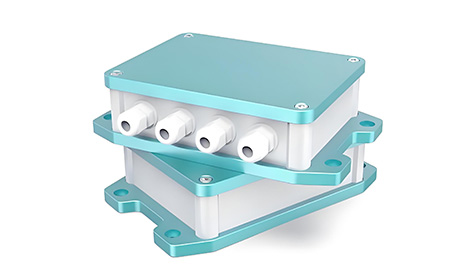
jcproto.com
Understanding Anodized Aluminum Colors and Finishes
Anodizing makes aluminum strong and colorful through electricity and dyes, used in buildings, gadgets, and more for durability and style.
Sorry, there were no replies found.
Log in to reply.