


Cambridge Pickup Soccer
A pickup soccer group for players in Cambridge, join and connect with other players to organize matches in Cambridge area
Organizer (1)
- Organized by
-
-

Aluminum 2024 Machining Review: Advantages, Limitations, and Buying Tips
-
Aluminum 2024 Machining Review: Advantages, Limitations, and Buying Tips
Aluminum 2024 machining has become a popular choice for manufacturers that require a combination of high strength, excellent fatigue resistance, and reliable precision. As one of the most widely used aerospace aluminum alloys, Aluminum 2024 offers outstanding mechanical performance while remaining lightweight. From aircraft components and structural parts to precision engineering applications, this material continues to prove its value in demanding industries. Based on my experience with machined aluminum materials, Aluminum 2024 is not the easiest alloy to process, but its performance benefits often justify the additional machining considerations.To get more news about aluminum 2024 machining, you can visit jcproto.com official website.
What Is Aluminum 2024?
Aluminum 2024 is a high-strength aluminum alloy primarily composed of aluminum and copper, with smaller amounts of magnesium and manganese. It belongs to the 2000 series aluminum family, which is known for superior strength compared with general-purpose alloys such as Aluminum 6061.
The biggest advantage of Aluminum 2024 is its excellent strength-to-weight ratio. This makes it especially attractive for industries where reducing weight without sacrificing durability is critical. Aerospace manufacturers have used this material for decades because aircraft structures need materials that can withstand repeated stress cycles.
However, Aluminum 2024 is not chosen only for its strength. It also provides good machinability, allowing manufacturers to create complex components with tight tolerances. Although it requires careful machining strategies, experienced CNC operators can achieve excellent surface finishes and dimensional accuracy.
Key Features of Aluminum 2024 Machining
One of the main reasons manufacturers select Aluminum 2024 machining is its impressive mechanical performance. The material has higher tensile strength and fatigue resistance than many common aluminum alloys, making it suitable for parts exposed to constant loads and vibration.
Another important feature is its lightweight structure. Compared with steel alternatives, Aluminum 2024 significantly reduces component weight while maintaining reliable strength. This advantage is especially valuable in aerospace, automotive, and transportation industries where every kilogram matters.
Machining performance is another factor worth considering. Aluminum 2024 can be CNC machined into complicated shapes, including brackets, housings, frames, and precision mechanical parts. With proper cutting speeds, sharp tooling, and suitable cooling methods, manufacturers can achieve smooth edges and accurate dimensions.
The alloy also responds well to heat treatment. Many Aluminum 2024 components are supplied in T3 or T4 conditions, which improve strength and hardness. These treatments make the material suitable for applications where long-term durability is required.
My Experience and Review of Aluminum 2024 Machining
From a machining perspective, Aluminum 2024 provides a very different experience compared with softer aluminum grades. It cuts cleanly when the correct tools are used, but it requires more attention to machining parameters.
In my opinion, one of the biggest advantages of Aluminum 2024 is the balance between strength and workability. Some high-strength materials become difficult to machine because they create excessive tool wear or poor surface quality. Aluminum 2024 avoids many of these issues when processed correctly.
However, it is not a perfect material. Its copper content makes it less corrosion-resistant than alloys like Aluminum 6061. For outdoor environments or applications exposed to moisture, additional surface treatments such as anodizing or protective coatings may be necessary.
Another consideration is cost. Aluminum 2024 is usually more expensive than standard aluminum alloys because of its specialized properties and wider use in high-performance industries. For simple parts that do not require exceptional strength, a lower-cost alloy may be a better option.
Overall, my evaluation is that Aluminum 2024 machining is an excellent solution when performance matters more than minimum material cost. It delivers professional-grade results for applications where reliability and precision are priorities.
Common Applications of Aluminum 2024 Machining
Aluminum 2024 machining is widely used in aerospace manufacturing. Aircraft components such as fuselage structures, wing parts, and support brackets often rely on this alloy because of its fatigue resistance.
The automotive industry also uses machined Aluminum 2024 parts for lightweight performance components. Racing vehicles and high-performance applications benefit from reducing weight while maintaining structural strength.
In addition, this material is commonly found in precision machinery, defense equipment, robotics, and industrial equipment. Any application requiring accurate machining combined with strong mechanical properties can potentially benefit from Aluminum 2024.
Buying Advice: Is Aluminum 2024 Machining Right for You?
When purchasing Aluminum 2024 machined parts, buyers should focus on several important factors.
First, choose a manufacturer with strong CNC machining experience. Aluminum 2024 requires proper cutting techniques, tooling selection, and quality control. A supplier experienced with aerospace-grade materials will usually provide better results.
Second, confirm material certification. High-quality Aluminum 2024 components should have traceable material documentation to ensure the alloy meets required standards.
Third, consider surface finishing requirements. Since Aluminum 2024 has lower corrosion resistance than some other aluminum alloys, buyers should discuss options such as anodizing, coating, or other protective treatments.
Finally, evaluate whether Aluminum 2024 is truly necessary for your project. If your application requires maximum strength and fatigue resistance, it is a smart investment. If the component has lighter requirements, alternatives such as Aluminum 6061 may provide better value.
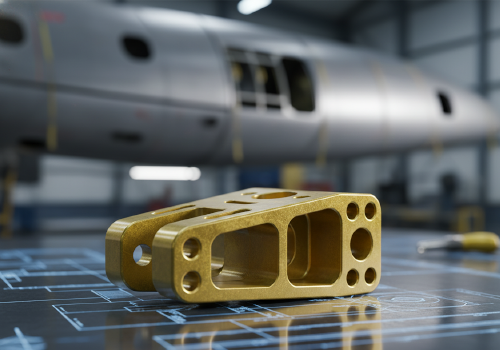
jcproto.com
Aluminum 2024-T3 CNC Machining Services | Aerospace Fatigue Resistant Parts
JUCHENG specializes in machining Aluminum 2024-T3. The standard "aircraft alloy" known for high strength and superior fatigue resistance. Ideally suited for tension members and structural fittings.
Sorry, there were no replies found.
Log in to reply.