


Cambridge Pickup Soccer
A pickup soccer group for players in Cambridge, join and connect with other players to organize matches in Cambridge area
Organizer (1)
- Organized by
-
-

Die Casting or Sand Casting: What Really Drives the Price Difference
-
Die Casting or Sand Casting: What Really Drives the Price Difference
The core takeaway: die casting delivers higher precision and consistency but comes with higher upfront tooling cost, while sand casting offers flexibility and lower initial investment but sacrifices accuracy and surface finish. The right choice depends heavily on production volume, product complexity, and user expectations.To get more news about die casting vs sand casting cost, you can visit jcproto.com official website.
Understanding the Two Processes
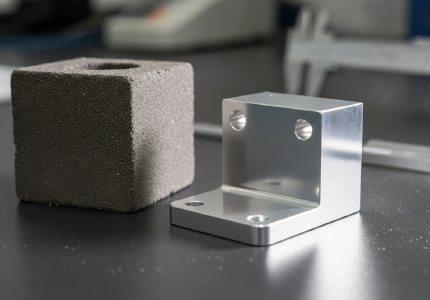
Die casting and sand casting differ fundamentally in how molten metal is shaped. Die casting uses a permanent steel mold under high pressure, producing dense, accurate parts. Sand casting relies on a sand mold packed around a pattern, which is broken after each use.These structural differences drive nearly every cost factor: tooling, labor, cycle time, scrap rate, and finishing requirements.
Cost Structure Breakdown
1. Tooling Investment
Die casting tooling is expensive. A steel mold can cost thousands to tens of thousands of dollars depending on complexity. This cost is justified only when production volume is high enough to amortize the investment.Sand casting tooling is far cheaper. Patterns can be made from wood or resin, and molds are disposable. This makes sand casting ideal for prototypes, custom parts, or low‑volume manufacturing.
My view: tooling cost is the single biggest reason companies hesitate to adopt die casting unless they’re confident in long‑term demand.
2. Per‑Unit Production Cost
Once tooling is ready, die casting becomes extremely efficient. Cycle times are short, labor is minimal, and parts come out nearly finished. Sand casting, by contrast, requires mold preparation for every part, more manual labor, and longer cooling times.For high‑volume users—automotive, consumer electronics, appliance manufacturers—die casting’s per‑unit cost advantage is undeniable.
3. Material and Scrap Efficiency
Die casting produces less waste because molds are precise and repeatable. Sand casting often generates more scrap due to mold inconsistencies and higher defect rates. For industries where material cost is significant, this difference matters.This makes die casting ideal for engine components, housing enclosures, structural brackets, and consumer product shells.
Sand casting shines in large industrial components, custom machinery parts, and low‑volume specialty items.
User Groups and Their Priorities
Different users approach casting cost from different angles.Manufacturers Focused on Mass Production
For companies producing thousands or millions of units, die casting is almost always the smarter long‑term investment. The upfront tooling cost becomes negligible compared to the savings in labor, speed, and consistency.Small Businesses and Custom Fabricators
Sand casting remains attractive because it avoids heavy tooling investment. These users value flexibility and affordability over precision.Product Designers and Engineers
Designers often prefer die casting for its ability to achieve complex geometries and thin walls. However, during early prototyping, sand casting is often used to validate form and function before committing to expensive tooling.A Practical Cost Comparison Scenario
Imagine a company needs 5000 aluminum brackets annually.Die casting tooling: high initial cost but low per‑unit cost
Sand casting tooling: low initial cost but higher per‑unit cost
At around 3000–5000 units, die casting typically becomes more economical overall. Below that threshold, sand casting often wins.
This crossover point varies by part complexity, metal type, and finishing requirements, but the pattern is consistent across industries.
jcproto.com
Die Casting vs Sand Casting Cost: Essential Sourcing Rules
Buying cheap sand molds to avoid high NRE is tempting. Discover how to balance die casting vs sand casting cost by targeting precise volume tipping points.
Sorry, there were no replies found.
Log in to reply.