


Cambridge Pickup Soccer
A pickup soccer group for players in Cambridge, join and connect with other players to organize matches in Cambridge area
Organizer (1)
- Organized by
-
-

The Unseen Hero of Repairs: Choosing the Best Epoxy for Plastic
-
The Unseen Hero of Repairs: Choosing the Best Epoxy for Plastic
Plastic repair seems simple until you actually attempt it. Anyone who has tried to fix a cracked appliance housing, a broken automotive clip, or a snapped piece of outdoor gear knows the frustration: many adhesives simply refuse to bond. That’s where epoxy—specifically epoxy formulated for plastic—steps in as a quiet powerhouse. In my experience, choosing the best epoxy for plastic isn’t just about grabbing a tube off the shelf; it’s about understanding how epoxy chemistry interacts with different plastic types and how your project’s demands shape the ideal choice.To get more news about best epoxy for plastic, you can visit jcproto.com official website.
At its core, epoxy is a two‑part adhesive consisting of a resin and a hardener. When mixed, they undergo a chemical reaction that forms a rigid, durable bond. But plastics vary widely. High‑density polyethylene (HDPE), polypropylene (PP), and other low‑surface‑energy plastics are notoriously difficult to bond. This is why specialized formulations matter. Some epoxies include adhesion promoters designed to grip these stubborn surfaces, while others rely on mechanical bonding enhanced by surface preparation.
One of the most reliable categories is two‑part epoxy designed specifically for plastics. These products typically cure within minutes, reach full strength in a few hours, and resist moisture, heat, and vibration. In my own workshop, I’ve used them to repair everything from cracked tool handles to damaged drone housings. What impressed me most was not just the strength but the consistency—once cured, the bond felt like part of the original material.
Another strong contender is structural epoxy, which is engineered for high‑stress applications. If you’re repairing automotive components or load‑bearing plastic parts, structural epoxy offers a level of rigidity and stability that standard adhesives can’t match. It’s not always necessary for everyday household fixes, but when you need confidence that a repair will hold under pressure, it’s worth considering.
Surface preparation is an often overlooked but critical step. Even the best epoxy struggles on glossy or oily plastic surfaces. Light sanding with 120‑ to 220‑grit sandpaper creates micro‑abrasions that help the epoxy grip. Cleaning with isopropyl alcohol removes residues that interfere with bonding. I’ve found that spending just two extra minutes on prep can dramatically improve the final result. It’s a small investment that pays off in durability.
Curing time is another factor that shapes your choice. Fast‑curing epoxies are convenient, especially for small repairs, but they leave little room for repositioning. Slow‑curing formulas, on the other hand, allow for precise alignment and often produce stronger bonds due to longer polymerization. When repairing a cracked plastic kayak hull last summer, I opted for a slower cure. The extended working time let me clamp the pieces perfectly, and the final bond survived multiple river trips without a hint of separation.
Color and finish also matter more than people expect. Some epoxies dry clear, making them ideal for visible repairs on consumer electronics or decorative items. Others cure to a gray or off‑white finish, which is perfectly acceptable for hidden or structural repairs but less desirable when aesthetics count. I’ve even tinted clear epoxy with a drop of acrylic paint to match the surrounding plastic—a small trick that helps repairs blend seamlessly.
From a personal standpoint, what distinguishes a great plastic epoxy is predictability. I want an adhesive that behaves the same way every time: mixes smoothly, cures reliably, and bonds with confidence. Over the years, I’ve learned to appreciate formulations that include clear mixing ratios, detailed instructions, and realistic cure times. Epoxy is a chemistry‑driven product, and clarity matters.
Environmental resistance is another dimension worth considering. Outdoor plastics face UV exposure, temperature swings, and moisture. Epoxies with UV stabilizers or flexible curing properties tend to perform better in these conditions. When repairing a cracked garden tool handle, I noticed that a UV‑resistant epoxy maintained its integrity far longer than a standard indoor formula I had used previously.
Ultimately, the “best” epoxy for plastic depends on your project’s demands. For quick household fixes, a versatile two‑part plastic epoxy is usually enough. For automotive or structural repairs, a high‑strength formulation offers peace of mind. For outdoor gear, UV‑resistant or flexible epoxies shine. What matters most is matching the adhesive to the challenge.
Plastic may be ubiquitous, but repairing it well requires intention. With the right epoxy—and a bit of thoughtful preparation—you can restore strength, extend the life of your belongings, and avoid unnecessary replacements. In a world full of disposable materials, mastering plastic repair feels surprisingly empowering.
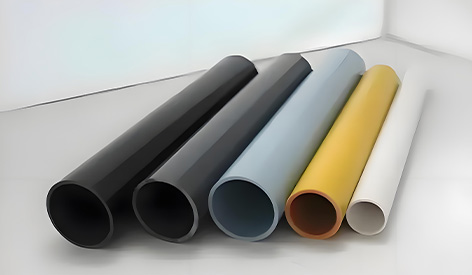
jcproto.com
Choosing the Best Epoxy for Plastic Repairs and Bonding
A simple guide to choosing the right epoxy glue for strong, lasting repairs on any broken plastic item. Easy for anyone to follow.
Sorry, there were no replies found.
Log in to reply.